 Skip to content
Home Remodeling & Home Addition Contractor in Washington DC
Planning a home renovation or addition is a major investment. Whether you’re remodeling your entire home, updating a kitchen, renovating a bathroom, or building a home addition, proper planning can help ensure a successful project. Here are some expert tips from our Washington DC remodeling professionals.
Plan Your Remodeling Project Around Your Long-Term Goals
Before starting any renovation, consider how your family’s needs may change over the next 5–10 years. If you’re running out of space, a custom home addition may be more cost-effective than moving to a larger home. If you’re updating outdated finishes, focus on improvements that increase both functionality and property value.
Read More
Create a Realistic Budget
A successful remodeling project starts with a realistic budget. Homeowners should account for design costs, permits, construction, materials, and a contingency reserve for unexpected expenses. Working with an experienced Washington DC home remodeling contractor can help you develop an accurate project estimate.
Invest in High-Value Home Improvements
Some remodeling projects offer better returns than others. Popular upgrades that often increase home value include:
- Kitchen Remodeling
- Bathroom Renovations
- Basement Finishing
- Home Additions
- Energy-Efficient Upgrades
- Open Floor Plan Conversions
These improvements not only enhance daily living but can also improve resale value.
Understand Washington DC Building Codes and Permits
Most major remodeling and home addition projects require permits and inspections. Working with a licensed contractor ensures your project complies with local Washington DC building regulations and avoids costly delays or violations.
Choose Quality Materials for Long-Term Performance
High-quality materials may require a larger initial investment, but they often provide greater durability, lower maintenance costs, and a longer lifespan. Quality flooring, cabinetry, windows, roofing, and fixtures can significantly improve the overall value of your home.
Think About Energy Efficiency
Modern remodeling projects are an excellent opportunity to improve energy efficiency. Consider upgrades such as:
- Energy-efficient windows
- Improved insulation
- LED lighting
- Smart thermostats
- High-efficiency HVAC systems
These features can reduce utility costs while improving year-round comfort.
Work With an Experienced Design-Build Contractor
A design-build remodeling company manages the entire project from planning and design to permits and construction. This streamlined approach helps reduce miscommunication, improve scheduling, and deliver a smoother remodeling experience.
Common Home Remodeling Mistakes to Avoid
To help ensure a successful renovation, avoid these common mistakes:
- Hiring a contractor based solely on price
- Making major design changes during construction
- Ignoring permit requirements
- Choosing low-quality materials
- Underestimating project timelines
- Failing to establish a clear budget
- Not reviewing contracts carefully

OUR CLIENTS' VIDEO TESTIMONIALS
Full House Remodel & Two-Level Home Addition in Arlington, VA
“When we saw what Mustafa, Marvin, and the rest of the team at DC Remodeling did with our living room, we couldn’t wait to see what they did with our outside patio. So, we really like the way this all looks. My wife and I wanted the lamp post installed in the fence, and that’s exactly what they did. So, if you’re looking for anyone to remodel your entire backyard or patio, my wife and I highly recommend the team at DC Remodeling, and Mustafa has done such a wonderful job.”
Full House Remodel in Old Town Alexandria, VA
Full House Remodel in Falls Church, VA
Full House Remodel & Home Addition in McLean, VA
Two-Level Deck Addition, Siding & Window Replacement in Washington, DC
Full House Remodel & 2-Level Home Addition in Alexandria, VA
Whole House Remodeling in Washington, DC
Top-Rated Master Bathroom Remodeling Company in Bethesda, MD
Reviews from Our Valued Clients
Trustindex verifies that the original source of the review is Google. We had an amazing experience with our renovation, thanks to Mustafa and Galo. Mustafa provided invaluable guidance in designing our space and selecting the perfect materials, making the entire process enjoyable and stress-free. Galo executed the renovation flawlessly, transforming our vision into reality with exceptional craftsmanship. We're thrilled with how everything turned out and couldn't be happier with our beautiful new home!Posted on GoogleTrustindex verifies that the original source of the review is Google. Dear all, I am with DC Home Remodeling, and we are committed to providing the best service and experience for our clients. We truly appreciate our genuine customers who continue to support us. Recently, we noticed a number of negative reviews posted by individuals overseas that appear to be fraudulent. Please rest assured that we are currently working with Google to have this issue resolved. Thank you for your continued trust and support.Posted on GoogleTrustindex verifies that the original source of the review is Google. Elay managed our bathroom remodel from start to finish, and his professionalism stood out right away. He was always on top of the schedule, kept the crew organized, and made sure the worksite stayed clean every day. Small details we hadn’t even thought of were pointed out and taken care of, which made a huge difference in the final result. We couldn’t be happier with how everything turned out and appreciate how stress-free the whole process felt.Posted on GoogleTrustindex verifies that the original source of the review is Google. We hired DC Home Remodeling based on their reviews, we are very happy with the result, very profissional and knowledgeable, we hired them to relocate our kitchen and reconfigure the layout, we love our kitchen, We are very please with our decision, I suggest anyone to work with DC Home Remodeling you will not be disappointed.Posted on GoogleTrustindex verifies that the original source of the review is Google. DC Home Renovation transformed my kitchen into a stunning and functional space that exceeded my expectations. Their team was professional, detail-oriented, and kept me informed throughout the remodeling process, completing the project on time and within budget.Posted on GoogleTrustindex verifies that the original source of the review is Google. DC Home Remodeling did a great job transforming our primary bedroom and bathroom into a relaxing dreamscape! Mustafa and his team were very easy to work with. Also, huge shout out to the contractors! Their work was top notch and they timely addressed everything to make our vision came to life. This was my first remodeling experience and I wasn’t sure what to expect, but the experience was great with this team!Posted on GoogleTrustindex verifies that the original source of the review is Google. Me and my girlfriend loved the work Mr. Mustafa and his team did to our house in VA. Very professional from interior to exterior. Would definitely recommend 👌Posted on GoogleTrustindex verifies that the original source of the review is Google. Mustafa was very helpful and gave me excellent resources and advice!Posted on GoogleTrustindex verifies that the original source of the review is Google. Mustafa did a great job remodeling our bathroom! Very professional and clean workPosted on GoogleTrustindex verifies that the original source of the review is Google. DC Home Remodeling did an exceptional job, truly transforming our home with their impeccable craftsmanship and attention to detail. We couldn't be happier with their work!

Before
After
Best Home Addition Company in Washington DC
Home Addition Tips & Expert Advice from a Leading Home Addition Company in Washington DC
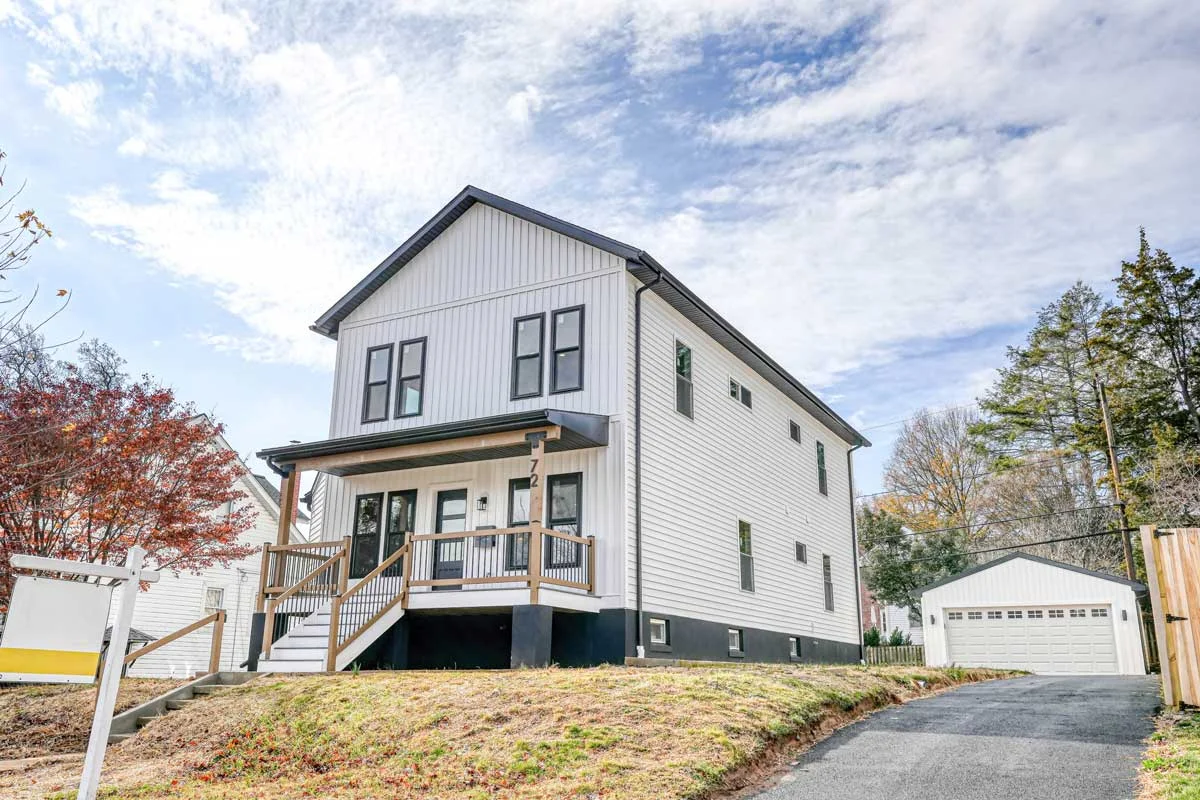
Adding more living space to your home is one of the smartest investments you can make as a homeowner. Whether you need an extra bedroom, a larger kitchen, a second-story addition, or a custom in-law suite, a professionally designed home addition can improve your family’s comfort while significantly increasing your property’s value. As a trusted home addition contractor in Washington DC, we’ve helped countless homeowners expand their homes with beautiful, functional additions that blend seamlessly with their existing structures.
Read More
Start with a Clear Vision for Your Home Addition
Choose the Right Type of Home Addition
Every home is unique, which is why selecting the right type of addition is essential. Some of the most popular home additions in Washington DC include:
- Room Additions
- Family Room Additions
- Master Suite Additions
- Second-Story Additions
- Kitchen Expansions
- In-Law Suites
- Sunrooms
- Home Office Additions
An experienced home addition company can help determine which option best fits your property, budget, and lifestyle.
Consider Future Home Value
Work with a Licensed Washington DC Home Addition Contractor
Plan for Permits and Local Regulations
Create a Seamless Design
Improve Energy Efficiency During Construction
A home addition provides an excellent opportunity to upgrade your home’s energy performance. Modern construction techniques and materials can help reduce utility costs while improving year-round comfort. Consider incorporating:
- Energy-efficient windows
- High-performance insulation
- LED lighting
- Smart home technology
- Energy-saving HVAC systems
These upgrades can help maximize the long-term value of your investment.
Set a Realistic Budget
Why More Washington DC Homeowners Are Choosing Home Additions
Trust Washington DC's Home Addition Experts
Choosing the right contractor is one of the most important decisions you’ll make during your project. At DC Home Remodeling, we specialize in custom home additions designed to enhance functionality, beauty, and value. From initial planning and design to permitting and construction, our team provides expert guidance every step of the way.
Ready to expand your living space? Contact our Washington DC home addition specialists today for a free consultation and discover how a custom home addition can transform your home.
Before
After
Best Bathroom Remodeling Company in Washington
What Homeowners Should Do and Avoid When Planning a Bathroom Remodel in Washington DC
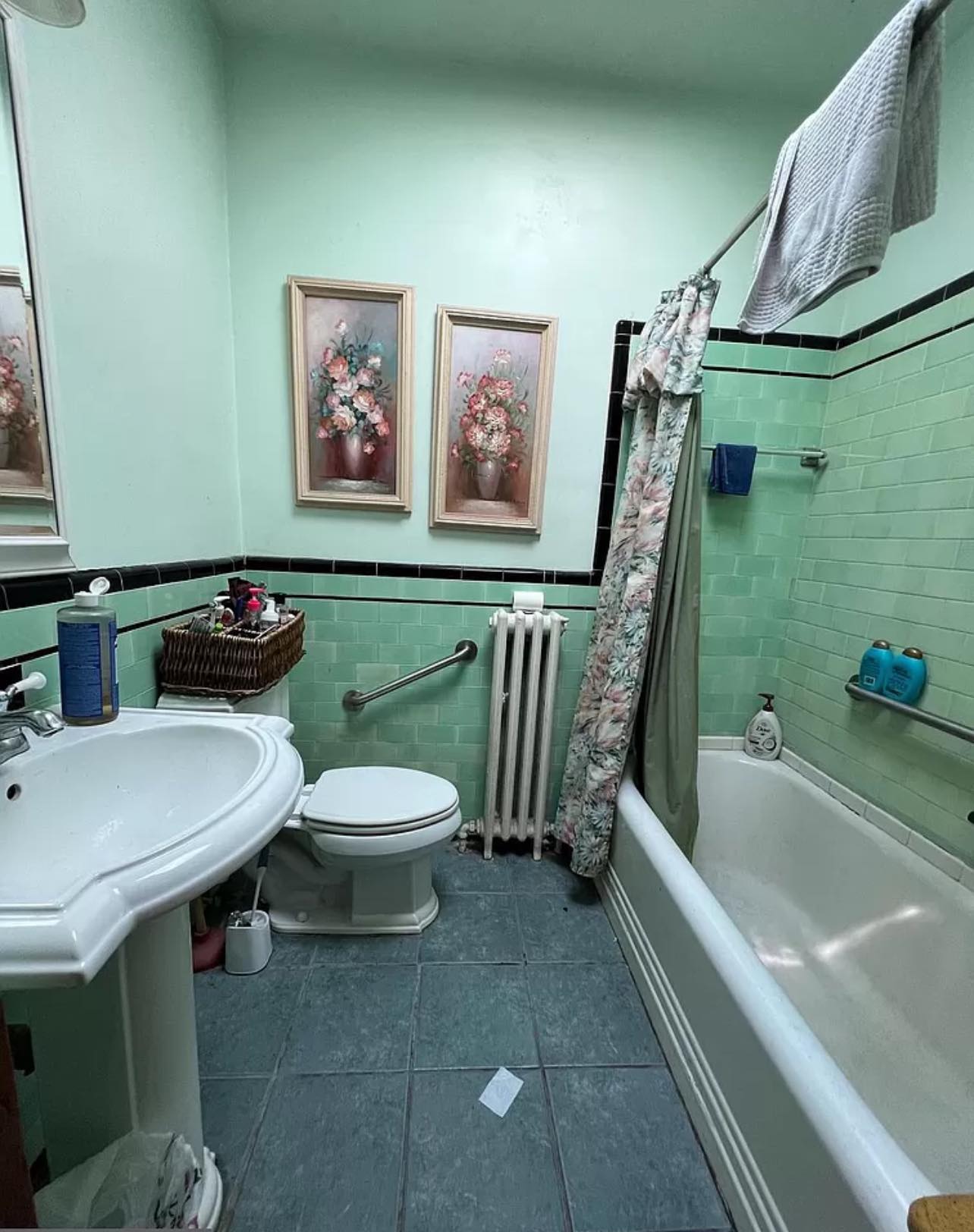
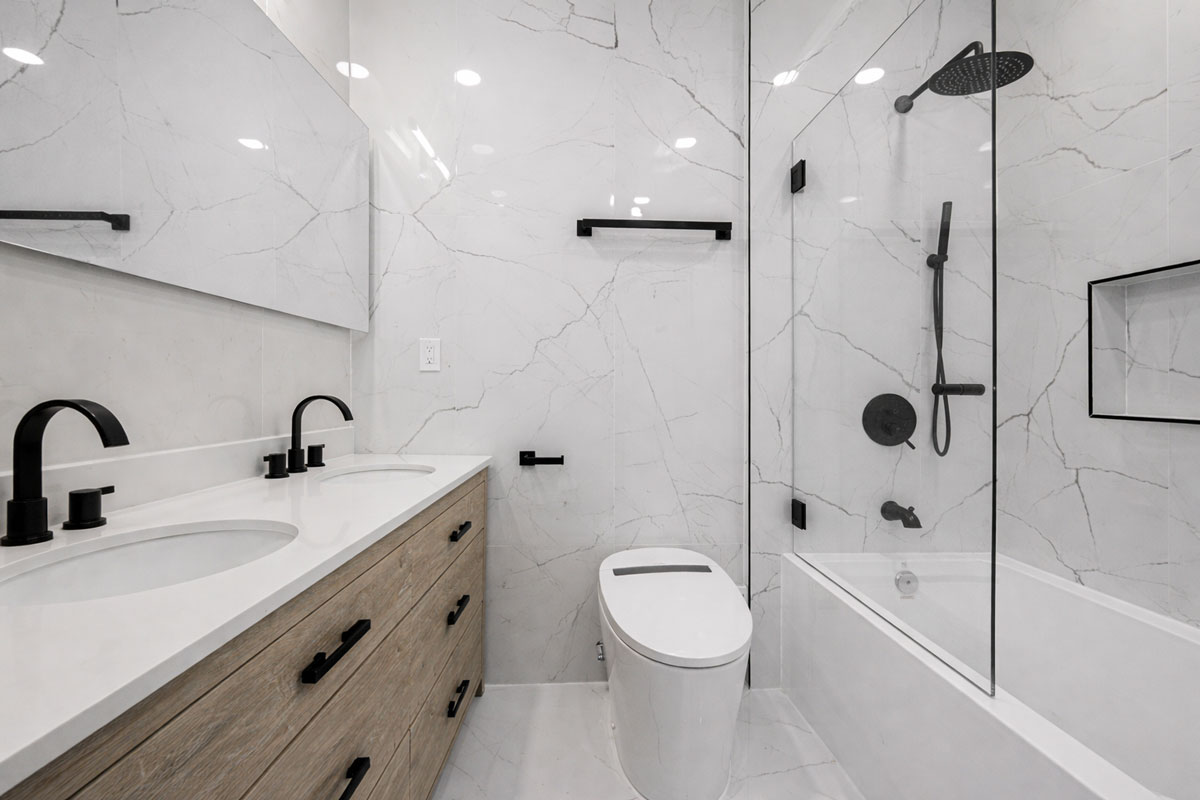
A bathroom remodel is one of the most rewarding home improvement projects you can undertake. A well-designed bathroom can improve comfort, functionality, energy efficiency, and home value. However, many homeowners make costly mistakes by rushing the planning process, hiring the wrong contractor, or selecting materials based solely on appearance rather than performance.
As a trusted bathroom remodeling company in Washington DC, we’ve compiled some of the most important tips to help homeowners make informed decisions and avoid common remodeling mistakes.
Read More
Do: Hire a Licensed and Insured Bathroom Remodeling Contractor
One of the most important decisions you’ll make is choosing the right contractor. Always verify that your contractor is licensed, insured, and experienced with bathroom remodeling projects in Washington DC.
Ask Questions Such As:
- How many bathroom remodels have you completed?
- Can you provide references from recent clients?
- Do you handle permits and inspections?
- Who will manage my project?
- What is the estimated timeline?
Avoid:
 Hiring based solely on the lowest price Working without a written contract Hiring unlicensed contractors Paying large upfront deposits
A quality contractor can save you thousands of dollars by preventing costly mistakes and ensuring the project is completed correctly.
Do: Create a Realistic Budget Before Selecting Materials
Many homeowners fall in love with luxury finishes before establishing a budget. Determine your budget early and prioritize the features that matter most.
Typical bathroom remodeling expenses include:
- Demolition
- Plumbing work
- Electrical upgrades
- Tile installation
- Vanities
- Countertops
- Fixtures
- Glass enclosures
- Painting
- Permit fees
Avoid:
Choosing materials before setting a budget Spending your entire budget on cosmetic upgrades Forgetting to account for unexpected expenses
Most remodeling professionals recommend maintaining a contingency fund of 10% to 20%.
Do: Invest in High-Quality Materials That Last
Bathrooms experience daily exposure to moisture, humidity, and temperature changes. Selecting durable materials can reduce maintenance and increase longevity.
Recommended Materials:
Flooring
- Porcelain Tile
- Ceramic Tile
- Luxury Vinyl Tile (LVT)
Countertops
- Quartz
- Granite
- Solid Surface Materials
Shower Walls
- Large Format Porcelain Tile
- Natural Stone (Properly Sealed)
- High-Quality Shower Panels
Cabinetry
- Solid Wood Cabinets
- Plywood Construction
Avoid:
Cheap laminate cabinets Low-quality faucets and fixtures Water-sensitive materials in wet areas Trendy products with limited durability
Do: Focus on Functionality Before Design Trends
Beautiful bathrooms should also be practical.
Consider:
- Storage needs
- Lighting placement
- Shower size
- Accessibility
- Ventilation
- Daily routines
A bathroom that functions well will provide greater long-term satisfaction than one designed solely around current trends.
Avoid:
Oversized freestanding tubs in small bathrooms Insufficient storage space Poor lighting design Ignoring ventilation requirements
Do: Choose Timeless Finishes
While trends come and go, timeless finishes remain attractive for years and help maintain resale value.
Popular Timeless Choices:
- White and neutral color palettes
- Quartz countertops
- Matte black fixtures
- Brushed nickel hardware
- Subway tile
- Large format porcelain tile
- Frameless glass shower doors
Avoid:
Extremely bold colors that may quickly become outdated Overly customized designs that appeal to only a small audience Following every social media trend
Do: Upgrade Lighting and Ventilation
Lighting and ventilation are often overlooked but can significantly impact comfort and functionality.
Consider including:
- Recessed lighting
- Vanity lighting
- Dimmable fixtures
- Exhaust fans with humidity sensors
- Natural lighting where possible
Avoid:
Single ceiling light fixtures Poor ventilation systems Inadequate task lighting around mirrors
Do: Think About Future Needs
Many homeowners plan only for today’s needs. A smart bathroom remodel should also consider the future.
Features worth considering:
- Curbless showers
- Wider doorways
- Comfort-height toilets
- Grab bar blocking behind walls
- Slip-resistant flooring
These features can improve accessibility while maintaining a modern appearance.
Common Bathroom Remodeling Mistakes Homeowners Make
Mistake #1: Choosing Price Over Quality
The lowest estimate is not always the best value. Cheap labor and materials often lead to expensive repairs later.
Mistake #2: Ignoring Waterproofing
Proper waterproofing behind tile and shower systems is critical for preventing leaks, mold, and structural damage.
Mistake #3: Following Trends Instead of Needs
Focus on how your bathroom functions for your family rather than copying every trend from social media.
Mistake #4: Not Planning Enough Storage
Storage is one of the most requested features homeowners wish they had included after a remodel.
Mistake #5: Hiring an Inexperienced Contractor
Bathroom remodeling requires expertise in plumbing, electrical systems, waterproofing, tile installation, and local building codes.
Why Homeowners Trust Professional Bathroom Remodeling Companies in Washington DC
A professional bathroom remodel is more than replacing fixtures and tile. It requires careful planning, quality craftsmanship, and attention to detail. By working with an experienced Washington DC bathroom remodeling contractor, homeowners can enjoy a smoother remodeling process, higher-quality results, and a bathroom that adds value to their home for years to come.
Whether you’re planning a guest bathroom renovation, luxury primary bathroom remodel, or complete bathroom transformation, making informed decisions from the beginning can help ensure a successful project and protect your investment.
Tips for Hiring a Kitchen Remodeling Contractor in Washington DC
A kitchen remodel is one of the biggest investments most homeowners will ever make. The reality is that beautiful photos on Instagram don’t tell you how a project was managed, whether it stayed on budget, or if the homeowner was happy six months later.
Before hiring a kitchen remodeling contractor in Washington DC, here are some practical tips and common mistakes we see homeowners make every year.
Read More
Don't Choose a Contractor Based on Price Alone
One of the biggest mistakes homeowners make is collecting three estimates and automatically choosing the lowest bid.
If one contractor’s price is significantly lower than the others, ask yourself why.
Sometimes the estimate may not include:
- Permits
- Electrical upgrades
- Plumbing modifications
- Demolition costs
- Material installation
- Cleanup and disposal
Many homeowners discover these costs later through change orders.
Good advice: Compare what’s included in the proposal, not just the final number.
Ask Who Will Actually Be Working in Your Home
Many homeowners meet with the company owner during the sales process but never see that person again after signing the contract.
Ask:
- Who will supervise the project daily?
- Will subcontractors be used?
- Who is my point of contact?
- How often will I receive updates?
A kitchen remodel can last several weeks or months. Communication matters just as much as craftsmanship.
Don't Buy Cabinets Based on Appearance Alone
Cabinets are often the largest expense in a kitchen remodel.
Many homeowners focus only on style and color while ignoring construction quality.
Look for:
- Plywood cabinet boxes
- Soft-close drawers
- Full-extension drawer slides
- Solid wood doors
Avoid cabinets made primarily from particleboard if you want long-term durability.
A cabinet that looks beautiful in a showroom may not perform well after years of daily use.
Think About Storage Before You Think About Finishes
Most homeowners spend hours choosing countertop colors and backsplash designs.
Very few spend enough time thinking about storage.
Years after a remodel, homeowners rarely complain about countertop color.
They often complain about:
- Not enough drawers
- Poor pantry organization
- Limited countertop space
- Small islands
- Lack of appliance storage
The most successful kitchens are designed around how people actually cook and live.
Don't Follow Every Kitchen Trend
Trends change fast.
A trend that looks amazing on social media today may look outdated in five years.
Before choosing bold cabinet colors, unique tile patterns, or highly customized features, ask:
“Will I still love this in ten years?”
Timeless kitchens tend to provide better long-term value and broader appeal if you ever decide to sell.
Order Appliances Before Construction Begins
This mistake causes more delays than homeowners realize.
Many kitchen layouts depend on exact appliance dimensions.
We’ve seen projects delayed because:
- Refrigerators were backordered
- Ranges arrived late
- Vent hoods required different specifications
- Appliances didn’t fit cabinet openings
Choose appliances early and make sure your contractor has all specifications before finalizing plans.
Expect the Unexpected
Once walls are opened, surprises can happen.
Especially in older Washington DC homes, contractors often discover:
- Outdated wiring
- Plumbing issues
- Water damage
- Structural concerns
- Code violations from previous renovations
This doesn’t mean something went wrong.
It’s simply part of remodeling older homes.
A good rule is to reserve 10% to 20% of your budget for unexpected conditions.
Don't Ignore Lighting
Many homeowners focus heavily on cabinets and countertops but underestimate lighting.
A beautiful kitchen can feel dark and uncomfortable if lighting isn’t planned properly.
A well-designed kitchen should include:
- Recessed lighting
- Under-cabinet lighting
- Island pendants
- Task lighting for food preparation
Good lighting can completely change how a kitchen looks and functions.
Read the Contract Carefully
Before signing anything, make sure your contract clearly outlines:
- Scope of work
- Materials being installed
- Payment schedule
- Project timeline
- Warranty information
- Change order procedures
The more detailed the contract, the fewer surprises you’ll encounter during construction.
The Biggest Kitchen Remodeling Mistake Homeowners Make
The biggest mistake isn’t choosing the wrong countertop or cabinet color.
It’s hiring a contractor they don’t fully trust.
A kitchen remodel requires daily communication, problem-solving, scheduling, and coordination. The contractor you choose will have a major impact on your experience and the final result.
Choose a contractor with a strong reputation, proven experience, clear communication, and a detailed process—not simply the lowest price.
Final Advice for Washington DC Homeowners
Before starting your kitchen remodel, take time to plan carefully, establish a realistic budget, select quality materials, and hire a contractor who specializes in kitchen remodeling projects. A well-planned kitchen renovation can improve your home’s functionality, increase property value, and create a space your family enjoys for years to come.
This type of content feels much more genuine because it reflects the actual concerns homeowners have during a kitchen remodel rather than repeating generic remodeling advice.
Standard BAthroom Layout
- Typical size: 5′ x 8′
- Contains:
- Toilet
- Vanity
- Tub or Shower
Master Bathroom
- Typical size:
- 8′ x 10′
- 10′ x 12′
- 12′ x 15’+
Contains:
- Double vanity
- Toilet
- Large shower
- Freestanding tub (optional)
Read More
Toilet Clearance Requirements
Minimum Side Clearance
Code Minimum:
- 15″ from center of toilet to side wall or fixture
Recommended:
- 18″ to 24″ from center
Front Clearance
Code Minimum:
- 21″ clear in front
Recommended:
- 30″ to 36″
Luxury Design:
- 42″+
Toilet Room Dimensions
Minimum:
- 30″ wide x 60″ deep
Comfortable:
- 36″ wide x 60″ deep
Luxury:
- 42″+ wide
Vanity Dimensions
Standard Vanity Heights
Traditional:
- 30″–32″
Modern Comfort Height:
- 34″–36″
Most remodels today:
- 36″
Single Vanity Width
Common sizes:
- 24″
- 30″
- 36″
- 48″
Double Vanity Width
Recommended:
- 60″ minimum
Better:
- 72″
Luxury:
- 84″+
Clearance in Front of Vanity
Minimum:
- 21″
Recommended:
- 30″-36″
Shower Dimensions
Minimum Shower Size
Code:
- 30″ x 30″
Practical Minimum:
- 36″ x 36″
Most Popular Shower Sizes
- 36″ x 48″
- 48″ x 60″
- 60″ x 36″
Luxury Walk-In Showers
- 60″ x 42″
- 72″ x 48″
- 84″ x 48″
Shower Door Clearance
Recommended:
- 24″ opening minimum
Preferred:
- 30″-36″
Bathtub Dimensions
Standard Alcove Tub
- 60″ x 30″
Most common
Soaking Tub
- 60″–72″ long
- 32″–36″ wide
Freestanding Tub
Typical:
- 60″–72″ long
Tub Clearance
Recommended:
- 30″ clear floor space
Minimum:
- 24″
Double Vanity Guidelines
For Master Bathrooms
Between Two Sinks
Minimum:
- 30″
Recommended:
- 36″
Luxury:
- 42″+
Countertop Depth
Standard:
- 21″
Recommended:
- 22″-24″
Door Clearances
Bathroom Door Width
Minimum:
- 24″
Common:
- 28″-30″
Recommended:
- 32″
Accessibility:
- 36″
Accessibility Recommendations
Even if not required by code:
Shower Entry
Curbless Shower:
- Best for aging-in-place
Toilet Height
Comfort Height:
- 17″-19″
Grab Bar Blocking
- Install wood blocking behind walls during remodel.
- Costs little now.
- Saves thousands later.
Lighting Requirements
A well-designed bathroom should have:
Ambient Lighting
- Recessed lights
Task Lighting
- Vanity sconces
- Mirror lighting
Accent Lighting
- Shower niche lighting
- Toe-kick lighting
Ventilation Requirements
Every bathroom should have:
Exhaust Fan
Minimum:
- 50 CFM
Recommended:
- 80-110 CFM
Master Bathrooms:
- 110-150 CFM
Ideal Master Bathroom Layout
A high-end master bathroom often includes:
Double Vanity
- 72″ to 84″
Walk-In Shower
- 60″ x 42″ minimum
Freestanding Tub
- 60″–72″
Private Toilet Room
- 36″ x 60″ minimum
Walking Space
- 36″ minimum walkways
- 42″ preferred
Common Bathroom Remodeling Mistakes
❌ Double vanity too small
❌ Shower under 36″ wide
❌ Toilet squeezed next to vanity
❌ No storage planning
❌ Poor lighting
❌ Weak exhaust fan
❌ Not enough outlet locations
❌ Door interfering with fixtures
❌ Choosing style over function
Bathroom Designer's Rule of Thumb
For a bathroom that feels comfortable rather than cramped:
- 36″ clear walkways
- 60″ double vanity minimum
- 36″ x 48″ shower minimum
- 30″ clear floor space at fixtures
- 18″ from toilet centerline to walls when possible
- 36″ comfort-height vanities
- Adequate storage built into the design
These dimensions create the layouts homeowners are happiest with long after the remodel is completed.
Detached Garage Addition Contractor in Washington, DC
Planning a home renovation or addition is a major investment. Whether you’re remodeling your entire home, updating a kitchen, renovating a bathroom, or building a home addition, proper planning can help ensure a successful project. Here are some expert tips from our Washington DC remodeling professionals.
Plan Your Remodeling Project Around Your Long-Term Goals
Before starting any renovation, consider how your family’s needs may change over the next 5–10 years. If you’re running out of space, a custom home addition may be more cost-effective than moving to a larger home. If you’re updating outdated finishes, focus on improvements that increase both functionality and property value.
Read More
Tips for Planning a Detached Garage Addition in Washington, DC
1. Check Zoning and Property Setback Requirements
Before designing a detached garage, it’s important to understand Washington, DC zoning regulations. Setback requirements, lot coverage limits, and alley access rules can affect the size and placement of your garage. Working with an experienced detached garage addition contractor can help avoid costly redesigns later in the process.
2. Plan for Future Needs
Think beyond parking. Many homeowners in Washington, DC use detached garages for:
- Home offices
- Workshops
- Storage space
- Fitness rooms
- Future Accessory Dwelling Units (ADUs)
Designing with future flexibility can increase your property’s long-term value.
3. Match Your Home’s Architecture
A detached garage should complement your home’s exterior design. Matching rooflines, siding, windows, and trim creates a seamless appearance that improves curb appeal and resale value.
4. Consider Utilities Early
If you plan to add lighting, heating, cooling, internet, or plumbing, include these features during the design phase. Installing utilities during construction is more cost-effective than adding them later.
Common Detached Garage Addition Mistakes to Avoid
Choosing the Wrong Garage Size
Many homeowners underestimate their future storage needs. A garage that only fits vehicles today may feel too small in a few years. Consider bicycles, lawn equipment, tools, and seasonal storage when planning dimensions.
Ignoring Permit Requirements
Washington, DC has strict permitting and building regulations. Building without the proper permits can lead to delays, fines, and complications when selling your home.
Focusing Only on Construction Cost
The lowest bid isn’t always the best value. Quality materials, proper foundation work, drainage solutions, and experienced craftsmanship can prevent expensive repairs in the future.
Forgetting About Drainage
Poor drainage around a detached garage can lead to foundation issues, water intrusion, and landscape damage. Proper grading and drainage design should be part of every garage construction project.
Not Planning for Electrical Needs
Many homeowners regret not installing enough outlets, lighting, or EV charging capability during construction. Future-proofing your garage now can save significant costs later.
What Homeowners Should Know Before Building a Detached Garage Addition
How Much Value Does a Detached Garage Add?
A well-designed detached garage can increase both functionality and property value. In many Washington, DC neighborhoods where parking and storage are limited, detached garages are highly desirable features for future buyers.
How Long Does Construction Take?
Most detached garage additions require several stages:
- Design and planning
- Permit approvals
- Site preparation
- Foundation construction
- Framing and roofing
- Electrical and finishing work
Project timelines vary depending on garage size, complexity, and permit review schedules.


Top-rated Design and Build company in Washington, DC
Choosing the right Design & Build company can make your home renovation experience smoother, more efficient, and more enjoyable. A Design & Build approach brings design, planning, and construction together under one team, helping homeowners achieve better results with fewer surprises.
Whether you’re planning a kitchen remodel, bathroom renovation, home addition, or whole-home makeover, working with an experienced Design & Build company ensures every phase of the project is carefully managed from start to finish.
Read More
5 Tips for Homeowners Planning a Design & Build Project
1. Define Your Goals Early
Before meeting with a Design & Build team, think about what you want to achieve. Consider your lifestyle, space needs, and long-term plans for your home.
2. Set a Realistic Budget
Establish a budget that includes construction costs, materials, permits, and a contingency fund for unexpected expenses.
3. Prioritize Functionality
Beautiful design is important, but your renovated space should also improve how you live and use your home every day.
4. Research Materials Carefully
Choose durable, high-quality materials that fit your budget and can withstand daily wear and tear.
5. Ask Questions Throughout the Process
Stay involved and communicate openly with your Design & Build team to ensure your expectations are met.
5 Expert Pieces of Advice for a Successful Renovation
1. Don’t Rush the Design Phase
A detailed design plan helps prevent costly changes and delays once construction begins.
2. Focus on Long-Term Value
Invest in improvements that enhance comfort, energy efficiency, and resale value.
3. Avoid Choosing Based on Price Alone
The lowest estimate isn’t always the best value. Experience, craftsmanship, and communication matter just as much.
4. Be Prepared for Unexpected Discoveries
Older homes can reveal hidden issues during construction, so flexibility is important.
5. Choose a Trusted Design & Build Company
Working with an experienced Design & Build team provides better coordination, accountability, and peace of mind throughout your project.